



Creating Instrumental Music: A Composer’s Guide

When it comes to composing instrumental music, whether you’re using a piano, guitar, violin, or any other instrument, the possibilities are as vast as your creativity. In this guide, we’ll explore various aspects of instrumental composition, from crafting captivating melodies to experimenting with harmonies, creating tension, and using call-and-response techniques. Let’s dive in.
1. Crafting Mesmerizing Melodies
One of the fundamental building blocks of instrumental music is the melody. A memorable melody can be the heart of your composition. Here’s how you can create one:
Start with a motif: A motif is a short musical idea that can be developed into a full melody. For example, listen to Beethoven’s “Symphony No. 5,” where the famous “short-short-short-long” motif drives the entire piece.
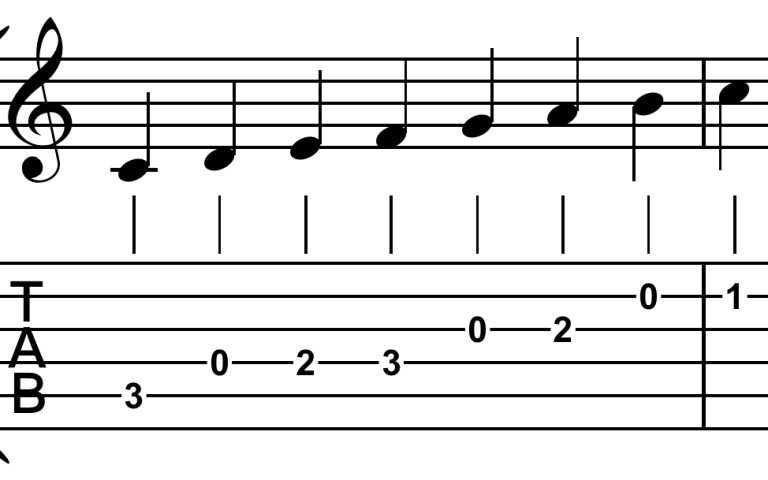
Use scales and intervals: Experiment with different scales and intervals to create unique and evocative melodies. For instance, the use of the Dorian scale in Santana’s “Smooth” gives it a distinct Latin flavor.
Consider dynamics: Varying the volume and intensity of your melody can add depth and emotion. Listen to Debussy’s “Clair de Lune” to hear how dynamic changes can create a dreamy atmosphere.
2. Exploring Harmonies

Harmonies add richness and complexity to your compositions. Here’s how to approach them:
Understand chord progressions: Comprehending common chord progressions like I-IV-V or ii-V-I can provide a solid foundation. The Beach Boys’ “God Only Knows” showcases intricate harmonies within a simple chord structure.
Experiment with counterpoint: Counterpoint involves layering multiple melodies that complement each other. Bach’s “Brandenburg Concerto No. 3” exemplifies masterful counterpoint.
Add unexpected harmonies: Surprise your listeners with unexpected harmonies. In The Beatles’ “A Day in the Life,” the shift from a simple E major chord to a more complex E major 7th chord creates a dramatic transition.
3. Creating Tension and Release
Tension and release are essential for keeping your audience engaged. Here’s how to achieve this balance:
Suspensions and dissonance: Introduce suspended chords and dissonant intervals to create tension. The intro to Led Zeppelin’s “Stairway to Heaven” employs suspended chords to build anticipation.
Crescendos and decrescendos: Gradually increase and decrease the intensity of your music to create emotional peaks and valleys. Listen to Mozart’s “Symphony No. 40” for an example of well-executed dynamics.
4. Mastering Call-and-Response
Call-and-response is a powerful technique to make your compositions more dynamic and engaging:
Establish a theme: Start with a compelling musical statement, which acts as the “call.” The iconic trumpet solo in Miles Davis’ “So What” is a great example.
Provide a contrasting response: Follow the “call” with a contrasting musical phrase, serving as the “response.” John Coltrane’s saxophone improvisation in the same piece beautifully responds to the initial trumpet theme.
Let’s Dive Deeper into Mastering Call-and-Response Techniques and Strategies
5. Let Your Creativity Flow
Remember, while these techniques are valuable, there are no hard and fast rules in music composition. Allow your creativity to guide you. Experiment with different instruments, time signatures, and genres to discover your unique voice.

As you embark on your journey to compose instrumental music, draw inspiration from the great composers who have left their mark on the world. But don’t forget that your originality is what will set your compositions apart. Happy composing!