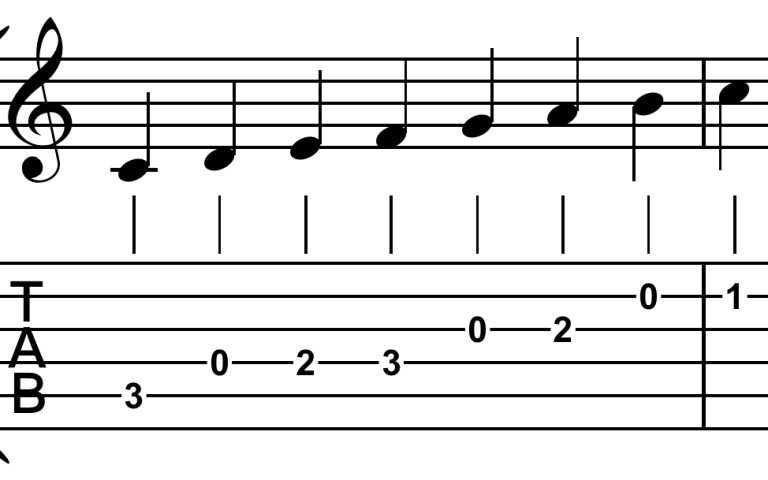



A Guide to Music Theory Mastery
Music Terminology
Understanding the Language of Music
In the world of music, terminology plays a crucial role in communication. Let’s explore some essential music terms and how they apply in practice:
– Tempo: Tempo refers to the speed at which a piece of music is played. For example, a piece marked “Allegro” is played quickly and energetically, while “Adagio” suggests a slow and expressive tempo.
– Crescendo and Diminuendo: These terms indicate the gradual increase (crescendo) or decrease (diminuendo) in volume. Imagine a piece of music building up to a powerful climax (crescendo) or gradually fading into silence (diminuendo).
– Staccato and Legato: Staccato notes are short and detached, while legato notes are smooth and connected. Think of a playful staccato melody versus a flowing legato melody.
Common Music Symbols
Let’s delve into some common symbols used in musical notation and see how they impact the way music is performed:
– Fermata: The fermata symbol indicates a pause or hold on a note or rest. It allows performers to add expressive pauses for dramatic effect, as if they’re taking a deep breath before continuing.
– Tie and Slur: Ties connect two notes of the same pitch, extending their duration. Slurs, on the other hand, indicate that a group of notes should be played smoothly and without separation. These markings affect the flow and phrasing of a melody.
– Fortissimo and Pianissimo: These dynamic markings indicate very loud (fortissimo) and very soft (pianissimo) sections in a piece. They provide contrast and intensity variations within a composition.
Notation and Nomenclature
Understanding musical notation is essential for reading and interpreting sheet music. Let’s take a closer look at some notational elements and how they come together:
– Treble and Bass Clef: The treble clef is used for higher-pitched instruments and notes, while the bass clef is for lower-pitched instruments. Pianists, for example, often read both clefs simultaneously.
– Key Signatures: Key signatures at the beginning of a piece dictate which notes are sharped or flatted throughout the composition. For instance, the key of G major has an F— in its signature, altering the pitch of all F notes in the piece.
– Time Signatures: Time signatures indicate the number of beats in each measure and the type of note that receives one beat. A 4/4-time signature means there are four beats per measure, with a quarter note receiving one beat.
The Building Blocks of Music
Understanding Notes: The Fundamental Sound Units
Notes are the foundational elements of music, and their duration and pitch shape the melody and rhythm of a composition. Let’s explore how notes work together:
– Whole Note: A whole note lasts for four beats in 4/4 time. It’s a steady, sustained sound that forms the backbone of many melodies.
– Half Note: Half notes are half the duration of whole notes, lasting for two beats. They provide rhythmic movement and variation.
– Quarter Note: Quarter notes last for one beat each. They add a sense of pulse and rhythm to music, often forming the basis for melodies and rhythms.
The Musical Alphabet: A to G and Back Again
The musical alphabet consists of seven letters: A, B, C, D, E, F, and G. These letters represent pitches, and understanding their order is fundamental to reading sheet music:
– Natural Notes: A, B, C, D, E, F, and G are natural notes. They represent the basic pitches without any alterations.
– Accidentals: Accidentals, such as sharps (—) and flats (♭), modify natural notes. For example, F— is an F note raised by a half step.
The Staff and Clefs: Where Notes Find Their Place
Musical notes are placed on a staff, a set of horizontal lines and spaces that represent different pitches. Clefs help determine which notes correspond to which lines and spaces:
– Treble Clef: The treble clef, also known as the G clef, is used for higher-pitched instruments and represents notes like E, G, B, D, and F.
– Bass Clef: The bass clef, or F clef, is used for lower-pitched instruments and represents notes like G, B, D, F, and A.
– Grand Staff: When the treble and bass clefs are connected by a brace, they form the grand staff, commonly used in piano music.
Rhythmic Essentials
Note Durations: How Long Does a Note Last?
In music, rhythm is a dance between different note durations. Let’s explore how these durations work and influence the feel of a composition:
– Eighth Note: Eighth notes are quicker, with two fitting into the space of a quarter note. They add rhythmic complexity and energy to music.
– Sixteenth Note: Sixteenth notes are even faster, with four fitting into the space of a quarter note. They create intricate rhythmic patterns and drive the pace of a piece.
– Dotted Notes: Dotted notes extend the duration of a note by half, adding a sense of anticipation and elongation to the music.
Time Signatures: Unraveling Musical Time
Time signatures define the rhythmic structure of a piece, indicating how many beats are in each measure and which note receives one beat. Let’s explore some common time signatures:
– 4/4 Time: This time signature is often called “common time” and consists of four beats per measure, with a quarter note receiving one beat. It’s the foundation of countless songs.
– 3/4 Time: In 3/4 time, there are three beats per measure, with a quarter note still receiving one beat. It’s a waltz time signature, providing a graceful and flowing feel.
– 6/8 Time: This compound time signature has six beats per measure, with an eighth note receiving one beat. It’s often associated with a compound, swinging feel.
Tempo and Beats: The Heartbeat of Music
Tempo and beats determine the pace and pulse of a piece. Let’s see how these elements influence the emotional and rhythmic character of music:
– Largo: Largo is an Italian term for a very slow tempo. Imagine a solemn and stately procession, with each note deliberate and expressive.
– Allegro: Allegro signifies a fast and lively tempo. It’s perfect for energetic, joyful pieces that make you want to tap your feet.
– Presto: Presto indicates a very fast tempo. It’s often used in playful and virtuosic compositions, where precision and speed are essential.
Unlocking the Power of Scales
What Are Scales? The Foundation of Melodies
Scales provide the raw material for melodies and harmonies. Let’s explore the structure and significance of scales in music:
– Major Scale: The major scale is one of the most fundamental scales in Western music. Its cheerful and uplifting sound is a staple in many compositions.
– Minor Scale: The minor scale offers a more melancholic and introspective quality. It’s often used in pieces that evoke sadness or introspection.
– Chromatic Scale: The chromatic scale includes all twelve notes within an octave. It’s used for creating tension, dissonance, or unique melodic patterns.
Major and Minor Scales: Happy vs. Sad
The major and minor scales are like contrasting emotional palettes in music. Let’s delve into their distinct characteristics and practical applications:
– Major Scale in Practice: Consider the melody of “Happy Birthday.” Its bright and celebratory feel is achieved through the major scale.
– Minor Scale in Practice: The haunting melody of “Greensleeves” exemplifies the emotional depth of the minor scale, conveying a sense of longing.
Pentatonic and Blues Scales: The Soul of Rock and Blues
Pentatonic and blues scales bring a unique flavor to music, particularly in genres like rock and blues. Let’s explore how these scales work and where you might encounter them:
– Pentatonic Scale: The pentatonic scale consists of five notes per octave, offering simplicity and versatility. It’s the backbone of countless rock and pop solos.
– Blues Scale: The blues scale adds a “blue” note to the pentatonic scale, infusing it with soulful character. It’s a staple in blues music, allowing for expressive bends and slides.
Diatonic Scales: The Seven-Note Wonders
Diatonic scales form the basis of most Western music. Let’s take a closer look at diatonic scales and their significance:
– Diatonic Modes: Within the diatonic scale, there are seven modes, each with its unique character. For example, the Dorian mode is often associated with a jazzy, cool vibe, while the Mixolydian mode has a bluesy feel.
– Harmonizing Diatonic Scales: Diatonic scales are used to create harmonies, with chords built from their notes. Understanding diatonic harmony is key to composing and arranging music.
Introducing Intervals
Intervals are the building blocks of melodies, determining the distance between two notes. Let’s explore how intervals work and how to identify them:
– Unison: Unison intervals occur when two notes have the same pitch. They create a sense of unity and emphasis, often used for dramatic effect.
– Octave: An octave interval spans eight diatonic scale degrees. It’s a powerful interval that can provide a sense of closure or anticipation in a melody.
– Perfect Fifth: The perfect fifth interval is known for its stability and pleasing sound. It’s a common interval in harmonies and chords.
Types of Intervals: From Unisons to Octaves
Intervals come in various flavors, each with its unique sound and impact on a melody:
– Major and Minor Seconds: These intervals are one step apart in the diatonic scale. A major second has a bright, uplifting quality, while a minor second creates tension and dissonance.
– Major and Minor Thirds: Major thirds have a happy and open sound, while minor thirds introduce a touch of sadness or introspection.
– Perfect Fourth and Perfect Fifth: These intervals provide stability and harmony in melodies and chords. They are often used to anchor a composition.
Interval Inversions: Flipping Notes for New Perspectives
Interval inversions involve reversing the order of two notes while maintaining the same distance between them. Let’s see how inversion affects the emotional impact of intervals:
– Major and Minor Seventh Intervals: Inverting a major seventh results in a minor second, completely changing the mood of a melody. Major seventh intervals convey a sense of longing, while minor seconds create tension.
– Perfect Fourth and Perfect Fifth Inversions: Inverting a perfect fourth gives you a perfect fifth, and vice versa. These intervals have a significant impact on chord structures and melodies.
Anticipation and Resolution
Tension and Release
The interplay between tension and release is a fundamental element of music. Let’s explore how composers use this concept to create emotional depth:
– Suspensions: Suspensions involve holding a note from the previous chord, creating a temporary dissonance before resolving it to a consonant note. This technique adds a sense of drama and anticipation.
– Appogiaturas: Appogiaturas are ornamental notes that approach a chord tone by a step, creating a beautiful sense of tension and resolution.
– Sequences: Sequences involve repeating a musical pattern at a different pitch level. This technique builds anticipation and familiarity while allowing for creative variations.
Resolving Chords
Chords are the building blocks of harmony, and understanding how they resolve is key to crafting satisfying musical progressions:
– Dominant to Tonic: One of the most common chord resolutions in Western music is from the dominant (V) chord to the tonic (I) chord. This resolution provides a sense of closure and completion.
– Diminished Seventh Chords: Diminished seventh chords are known for their dissonance and instability. They often resolve by half steps to more stable chord types.
Cadences: Musical Punctuation
Cadences act as musical punctuation, marking the end of a musical phrase or section. They play a crucial role in shaping the structure and emotional arc of a composition:
– Perfect Authentic Cadence (PAC): The PAC is a strong, conclusive cadence that provides a sense of finality. It often involves the progression V-I, where the dominant chord resolves to the tonic chord.
– Imperfect Authentic Cadence (IAC): The IAC is also conclusive but slightly less stable than the PAC. It typically involves the progression V-I but may feature inversions or additional embellishments.
– Plagal Cadence: The plagal cadence, often labeled as IV-I, has a gentler and more peaceful resolution. It’s commonly used in hymns and gospel music.
– Half Cadence: A half cadence, often labeled as any chord followed by the V chord, creates a sense of anticipation and expectation. It’s like a musical comma, indicating a pause before continuing.
Chords: The Heart of Harmony
Building Chords from Scales: Stacking Notes for Harmony
Chords are groups of notes played simultaneously, creating harmonic richness in music. Let’s see how chords are constructed from scales:
– Triads: Triads are three-note chords built by stacking every other note of a scale. Major and minor triads are the foundation of many songs.
– Seventh Chords: Seventh chords add complexity by including a fourth note, typically a seventh scale degree. They offer a broader range of harmonic possibilities.
– Extended Chords: Extended chords incorporate additional notes beyond the seventh. Ninth, eleventh, and thirteenth chords add color and complexity to harmony.
Major and Minor Chords: Happy or Sad Chords
Major and minor chords are the emotional pillars of harmony in music. Let’s explore how these chords convey different feelings:
– Major Chords in Practice: The joyful and uplifting sound of major chords is evident in classics like “Twinkle, Twinkle, Little Star.”
– Minor Chords in Practice: The melancholic and introspective quality of minor chords shines in pieces like Beethoven’s “Moonlight Sonata.”
Seventh Chords: Adding Flavor to Your Chord Progressions
Seventh chords expand the harmonic palette, introducing a rich tapestry of emotions into your compositions:
– Major Seventh Chords: Maj7 chords evoke a dreamy and romantic atmosphere. They often find a place in jazz standards and ballads.
– Minor Seventh Chords: Minor 7 chords offer a blend of melancholy and sophistication, making them ideal for jazz, blues, and soulful genres.
– Dominant Seventh Chords: Dom7 chords are known for their bluesy and powerful sound. They introduce tension and excitement to chord progressions.
Harmony: The Art of Blending Chords
What Is Harmony? The Magic of Multiple Notes
Harmony is the art of combining different notes and chords to create a pleasing and meaningful sound. Let’s explore the principles of harmony and its role in music:
– Consonance and Dissonance: Consonance refers to harmonious, stable combinations of notes, while dissonance indicates tense, unstable combinations. Composers use these contrasts to shape emotions.
– Voice Leading: Voice leading involves the smooth progression of individual voices or parts within a composition. It ensures that harmony transitions are melodic and coherent.
– Chord Progressions: Chord progressions are sequences of chords that form the backbone of a song. They provide structure and direction to music.
Chord Progressions: Crafting Musical Stories
Chord progressions are the narrative threads that guide a piece of music. Let’s explore common chord progressions and their storytelling potential:
– I-IV-V Progression: This progression is a cornerstone of rock and pop music, creating a sense of energy and forward motion.
– ii-V-I Progression: Popular in jazz, the ii-V-I progression adds sophistication and elegance to compositions.
– Circle of Fifths Progression: The circle of fifths progression creates smooth transitions between chords, offering a sense of continuity and balance.
Key Signatures and Transposition
Understanding Key Signatures: The Code of Musical Tonalities
Key signatures play a crucial role in defining the tonal center of a piece. Let’s delve into key signatures and their impact on music:
– Major and Minor Keys: Each major and minor key has its unique set of sharps or flats in the key signature, affecting the mood and character of the music.
– Relative Major and Minor Keys: Major and minor keys that share the same key signature are called relative major and minor. They offer contrasting emotional landscapes.
Transposing Music: Shifting the Pitch
Transposition involves changing the pitch of a piece while preserving its intervals and relationships. Let’s explore how transposition works and its practical applications:
– Transposing for Different Instruments: Different instruments may have different natural ranges, requiring transposition to fit their capabilities.
– Modulation: Modulation involves changing from one key to another within a composition. It adds variety and complexity to music.
The Circle of Fifths
Exploring the Circle: The Ultimate Musical Compass
The circle of fifths is a powerful tool for understanding key relationships and chord progressions. Let’s explore the circle of fifths and its significance:
– Key Relationships: The circle of fifths reveals the relationships between keys, helping composers choose compatible chords and progressions.
– Modulation Guide: It serves as a guide for modulating between keys smoothly and effectively within a composition.
– Analyzing Chord Progressions: Musicians use the circle of fifths to analyze and create chord progressions that flow naturally.
Time to Read Music
Reading Notes on the Staff: Deciphering Musical Hieroglyphs
Reading sheet music is a valuable skill for musicians. Let’s explore how to read notes on the staff and translate them into music:
– Treble and Bass Clef Notes: Learn to identify notes on both treble and bass clefs, depending on your instrument or vocal range.
– Ledger Lines: Ledger lines extend the staff to accommodate notes outside its standard range. Mastering ledger lines is essential for reading complex compositions.
Sharps, Flats, and Naturals: Altering the Pitch
Understanding accidentals—sharps, flats, and naturals—is crucial for interpreting sheet music accurately:
– Accidental Placement: Accidental symbols modify the pitch of notes and apply to all instances of that note within the same measure.
– Key Changes: Key changes are indicated by new key signatures and require an awareness of sharps, flats, and naturals.
– Accidental Rules: Follow specific rules for accidentals, such as double sharps and double flats, to maintain musical accuracy.
Online Resources and Communities
Exploring Online Music Communities
The internet has opened doors to a vast world of online music communities and resources. Let’s navigate these virtual spaces and connect with fellow musicians:
– Forums and Discussion Boards: Participate in forums and discussion boards dedicated to music theory, composition, and instrument-specific topics.
– Social Media Groups: Join Facebook groups, Reddit communities, and Twitter threads to engage in discussions and share your musical journey.
– Online Collaborations: Collaborate with musicians worldwide through platforms like Soundtrap, Splice, and Kompoz.
— Recommended Websites and Forums
Discover a curated list of websites and forums that offer a wealth of music theory resources, lessons, and interactive tools:
– MusicTheory.net: Access free tutorials, exercises, and tools to enhance your understanding of music theory.
– Teoria: Explore a comprehensive range of music theory lessons and interactive exercises.
– Songwriting and Composition Forums: Engage with fellow songwriters and composers on forums like Songwriting Forum and Composers’ Forum.
— Connecting with Musicians Globally
Music transcends borders, and so does the global community of musicians. Explore ways to collaborate with artists worldwide, exchange ideas, and expand your horizons through international musical connections:
– Collaboration Platforms: Join platforms like SoundBetter, Kompoz, and Blend.io to collaborate with musicians from different corners of the world.
– Music Communities: Participate in international music communities and festivals to broaden your musical horizons and showcase your talent.
– Language of Music: Remember that music is a universal language. Even if you don’t share a common spoken language, you can connect and create through the power of music.
Conclusion
Congratulations! You’ve completed “A Guide to Music Theory Mastery.” Armed with this comprehensive knowledge, you’re ready to embark on a musical journey filled with creativity, expression, and mastery. Remember that music theory is not just a set of rules but a powerful tool to fuel your artistic vision. Keep exploring, composing, and sharing your musical passion with the world. Your journey as a musician has only just begun.